Website design and website development are often treated as the same thing. In everyday conversation, people use the terms interchangeably. They are, however, not the same.
When businesses blur the line between the two, projects drift. Budgets stretch. Expectations clash. A site might look impressive, but struggle to perform. Or it may function perfectly while confusing the people it is meant to serve.
Understanding the difference matters. Design shapes how your site looks, feels, and guides users. Development determines how it works behind the scenes. Both are essential, and both need to support the same goals.
This guide explains the difference between website design and website development. It also shows how they work together and how to plan a website from the start.
Table of Contents
What Is Website Design?
Website design focuses on how a site looks and how people experience it. It shapes layout, colour, typography, and overall feel. It also decides how users move through pages and complete actions.
Good design is not decoration. It is direction.
Every visual choice should guide someone towards a goal. That could be making an enquiry, booking a call, or completing a purchase. Design influences how easy that journey feels.
What a Website Designer Actually Does
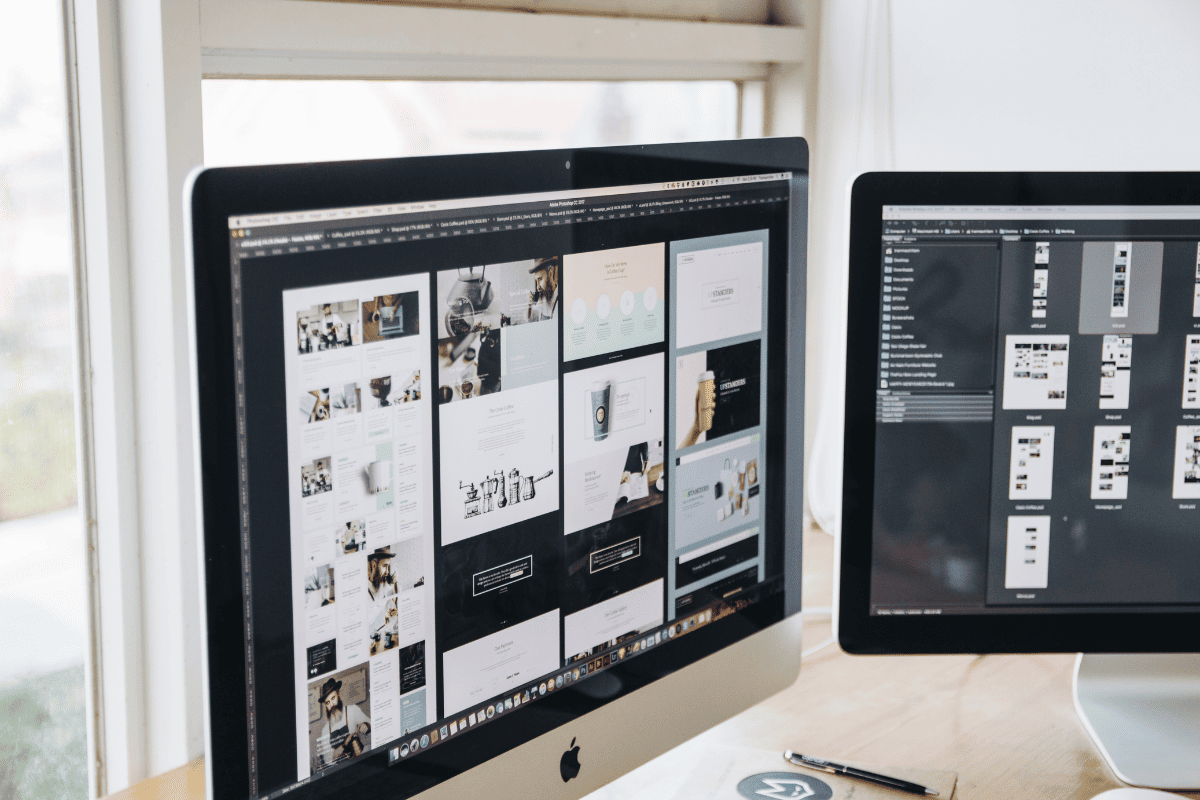
A website designer structures each page so information flows clearly. They decide what appears first and what stands out. Supporting elements reinforce the main message.
Visual hierarchy plays a key role. Headlines, spacing, imagery, and calls to action work together to guide attention.
Designers also shape user experience. They think about how someone navigates from page to page. Mobile behaviour and accessibility form part of that thinking. Friction is reduced wherever possible.
Wireframes often come first. These simple layouts map structure before visual styling begins. From there, design systems and brand elements create consistency across the site.

Tools and Skills Used in Website Design
Designers use specialist tools to create layouts and prototypes. Platforms such as Figma support modern workflows. They allow teams to test and refine ideas before development begins. You can explore more in Figma’s guide to web design and development.
Strong design goes beyond software. It relies on empathy and clarity. Designers must understand audience behaviour and brand positioning. Visual choices influence trust, so those choices matter.
What Is Website Development?
Website development turns design concepts into a working website. It brings structure, functionality, and performance to life.
If design defines how a site should look and feel, development ensures it works properly.
This includes writing code, building content management systems, and integrating third-party tools. Everything must perform smoothly once the site goes live.
Front-End vs Back-End Development
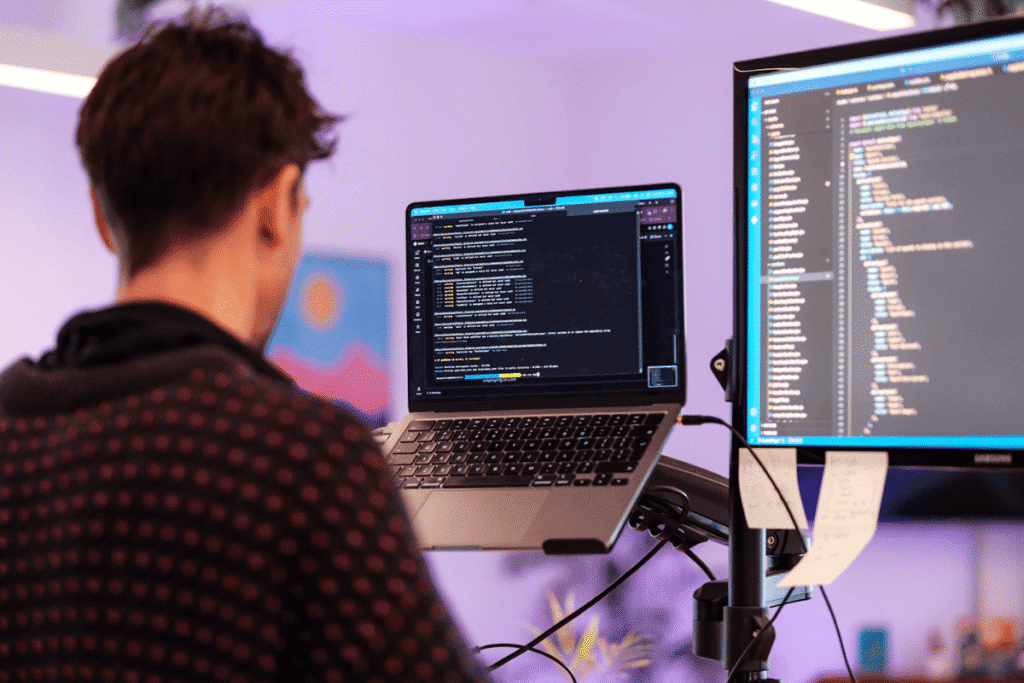
Development splits into two areas. Front-end development covers what users interact with directly. This visible layer translates visual designs into responsive pages that function across devices.
Back-end development works behind the scenes. It manages databases, servers, and application logic. When someone submits a form or logs in, back-end systems handle that securely.
Together, front-end and back-end development create a seamless experience.
What a Web Developer Is Responsible For
Developers build and maintain your site. They handle performance and load speed. They ensure accessibility and responsiveness. They manage security and scalability.
Their work keeps your site functioning properly across browsers, devices, and connection speeds.
If your site breaks, crashes, or slows down, that usually points to development. If users struggle to find information or complete tasks, design is often the culprit. Understanding this distinction helps you identify what needs fixing.
Website Design vs Website Development: The Key Differences
Design decisions prioritise clarity, branding, and usability. A designer asks how someone will move through a page and what encourages them to act.
Development decisions prioritise structure, stability, and speed. A developer asks how systems connect and how errors can be prevented.
The web designer vs web developer distinction comes down to problem-solving approaches.
Design solves problems through creativity. Development solves problems through logic.
Designers think about emotion, flow, and engagement. Developers focus on structure, performance, and scalability.
A visually stunning site that loads slowly loses users. A fast site with confusing navigation also fails. Success requires balance.
How Website Design and Development Work Together
When design and development operate independently, friction appears. A design may ignore technical constraints. Development may compromise user experience to meet deadlines. Both scenarios waste time and money.
Alignment removes that tension.

From Concept to Launch
A typical website build follows a clear lifecycle.
Planning defines business goals and user needs. Design shapes layouts and user journeys. Development builds the functional framework. Testing checks performance and usability. Then launch introduces the site to the world.
Each stage informs the next. This means skipping one often leads to rework later.
Why Integrated Teams Work Better
Designers who understand technical constraints make smarter choices. Developers who understand user experience build sites that feel polished and intentional.
Collaboration catches issues early. When teams work together from the start, miscommunication drops. Design choices become easier to build. Technical decisions support the experience rather than compromise it.
Which Do You Need: A Designer, a Developer, or Both?
This depends on your project. Some situations lean heavily on design. Others demand strong development. Most need both working together.
When Design Matters More
If your brand feels outdated or conversions are low, design may need attention.
User experience issues often show up as confusion. Visitors hesitate or drop off before completing actions. A design review can reveal where friction sits.
Businesses planning a brand refresh or repositioning exercise usually start here. Learn more about when to redesign your website.
When Development Takes Priority
Performance issues, complex functionality, or system integrations all require development focus. Slow sites, traffic crashes, or missing features all point to development priorities.
Security and scalability also fall under development. Growing businesses need sites that handle more traffic and data without breaking.
Why Most Projects Need Both
In reality, most website projects need design and development input from the beginning.
Integrated teams reduce miscommunication. They stop design choices that are hard to build. They avoid technical decisions that weaken the experience.
Solve approaches websites as complete systems. Our web design and custom development services deliver websites that perform.
Common Misconceptions About Website Design and Development
Several misconceptions cause confusion and poor planning. Addressing these directly helps businesses make better decisions.
Some people believe a theme does everything. Themes provide structure, but they rarely deliver a unique, high-performing site without customisation. Strong websites need strategic design and careful development.
Others think designers code everything. Most designers focus on visual and UX work. Developers handle the technical implementation. Some professionals have overlapping skills, but collaboration usually delivers stronger results. For more perspective on this distinction, see Coursera’s comparison of web designers vs web developers.
Another misconception is that development comes first. Design usually leads. Clear layouts and user flows guide technical decisions. Development then brings those designs to life in a functional, secure way.
Planning a Website the Right Way
Successful websites start with clear planning. This means defining goals before making design or technical decisions.
Start With Business Goals
Every design choice and development decision should support a real outcome. Are you trying to increase conversions? Improve user engagement? Build credibility? Knowing this shapes every choice you make during the project.
Without clear goals, projects drift. Teams make decisions based on personal preference rather than strategy. The result is a site that looks fine but doesn’t deliver results.
Choose Partners Who Understand Both
Working with a team that understands the full website lifecycle reduces risk. They know how design and development intersect. They catch potential issues early. They balance aesthetics, performance, and functionality from the start.
Strategic oversight matters more than siloed delivery. A web designer who ignores performance creates problems. A developer who ignores usability does the same. Integrated expertise prevents both.
Plan Your Website With Both in Mind
Many website projects fail long before a line of code is written. Not because the design is bad, or the build is broken, but because no one agreed on what the site needed to do.
When design and development pull in different directions, businesses lose time and money. That’s where Solve steps in.
Solve helps businesses plan websites with clarity first. Every design choice and technical decision supports a real goal. If you want a website that works properly and earns its keep, start the conversation here.
Frequently Asked Questions
What is the difference between website design and website development?
Website design focuses on how a site looks and how users experience it. Website development focuses on how the site works behind the scenes. Design shapes the experience. Development makes it function properly.
Can one person do both website design and website development?
Some professionals have overlapping skills, but most websites benefit from specialists. Design and development require different mindsets, tools, and expertise. Strong results usually come from collaboration.
Which comes first, website design or website development?
Design usually comes first. Clear layouts and user flows guide development decisions. Development then brings those designs to life in a functional, secure way.
Is website design more important than development?
Neither is more important. A great design fails if it loads slowly or breaks. Strong development fails if users cannot navigate the site. Both are essential.
How do I know if my website problems are design or development related?
Design issues often show up as poor usability or low conversions. Development issues often affect speed, errors, or functionality. A full review usually reveals a mix of both.