Table of Contents
Understanding SEO and PPC Marketing
What is SEO?
SEO, or search engine optimisation, is the practice of improving a website’s visibility in organic (non-paid) search engine results. It involves optimising content, technical structure, and authority through strategic keyword use, high-quality content, and backlinks, with the aim of appearing prominently in search results for relevant user queries on platforms such as Google.
What is PPC Marketing?
PPC, or pay-per-click marketing, is a form of online advertising where businesses pay only when a user clicks on their advert. Unlike SEO, which focuses on organic search results, PPC places ads directly in front of a targeted audience, allowing businesses to gain immediate exposure on platforms such as search engine results pages and social media.
SEO vs PPC: Key Differences

Cost Structure
SEO and PPC strategies each offer distinct advantages depending on a business’s goals and budget.
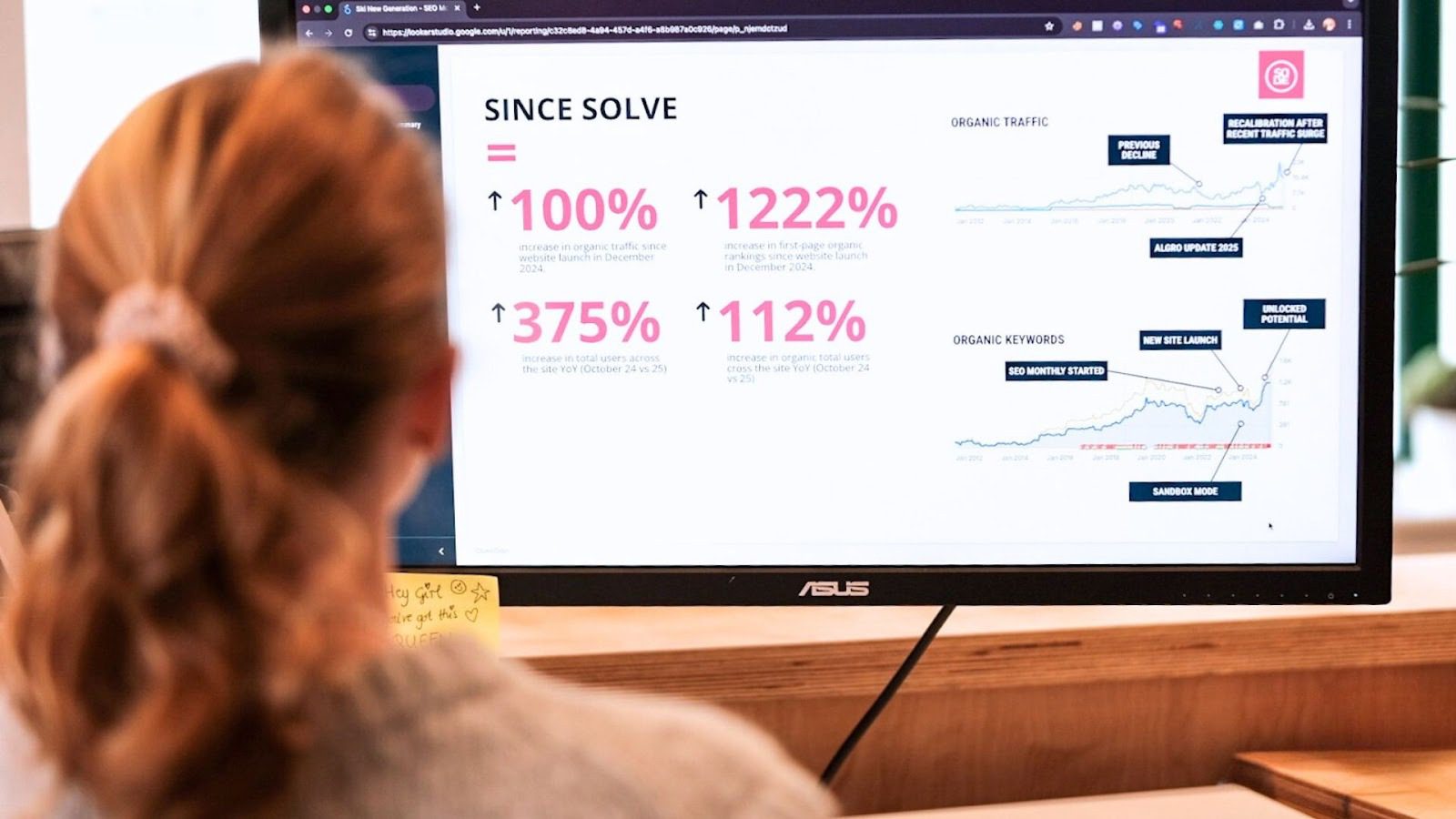
SEO is best viewed as a long-term investment, as organic results take time to build and are influenced by ongoing algorithm updates and shifts in user behaviour. However, once a strong SEO foundation is established, businesses are rewarded with increased authority, higher rankings, and consistent organic traffic that can build over time.
PPC and paid ads, by contrast, operate on an immediate and ongoing cost model. It requires upfront spending to deliver instant visibility and traffic, but performance is directly tied to budget, which means once ad spend stops, so do the results.
Time to Results
SEO delivers gradual, long-term growth that is built over time through consistency and ongoing optimisation, whereas PPC provides immediate visibility by placing ads instantly in front of your target audience.
Sustainability and Scalability

SEO and PPC grow your business in different ways.
Think of SEO as planting a seed. It takes time, care, and consistency to see results, but once it takes root, it grows stronger over time, branching out and providing lasting value for your business.
PPC is more like buying a fully grown plant. You get instant satisfaction, but it only thrives as long as you keep watering it with ad spend. Stop investing, and the growth disappears.
SEO vs PPC Comparison: Performance Metrics
Click-Through Rates (CTR) and Traffic Quality
Click-through rates (CTR) depend heavily on the relevance and quality of your content.
While PPC allows you to place your ads directly in front of a targeted audience, poor ad quality can still limit meaningful engagement. However, PPC generally offers higher CTR potential because it gives you precise control over where and to whom your content is shown, increasing the likelihood of attracting qualified traffic.
Conversion Rates and ROI
PPC delivers fast conversions and immediate ROI, whereas SEO tends to provide more sustainable, long-term results without ongoing ad costs.
Leveraging both strategies together creates a balanced approach to search marketing, maximising ROI and driving consistent growth for your business.
Measuring Success: KPIs for SEO vs PPC
While both PPC and SEO aim to drive traffic and conversions, the key performance indicators (KPIs) differ slightly.
SEO KPIs:
- Organic traffic: Measures the number of visitors coming from search engines.
- Keyword rankings: Shows how well your pages rank for target keywords.
- Backlinks and domain authority: Indicates your site’s authority and trustworthiness.
- Conversion rate from organic traffic: Tracks how many visitors complete a desired action.
- Bounce rate and time on page: Helps assess engagement and content relevance.
PPC KPIs:
- Click-through rate (CTR): Percentage of people who click your ad after seeing it.
- Cost per click (CPC): How much each ad click costs you.
- Conversion rate: Measures how many ad clicks lead to a desired action, like a purchase or sign-up.
- Return on ad spend (ROAS): How much revenue your campaigns generate relative to cost.
- Impression share: Shows how often your ads appear compared to competitors.
Pros and Cons of SEO and PPC
SEO Pros and Cons
Pros:
- Sustainable growth: SEO is a long-term strategy that continues to deliver results over time.
- Authority and credibility: High search rankings boost your brand’s trustworthiness.
- Business-wide benefits: Optimising for SEO often improves user experience, content quality, and overall website performance.
- Strong foundation: A well-optimised site sets the stage for future marketing efforts.
Cons:
- Time-intensive: SEO results take time to materialise and require consistent effort.
- Tool dependency: Effective SEO often requires access to multiple analytics and optimisation tools.
- Algorithm dependency: Search engines frequently update their algorithms, which can impact rankings.
PPC Pros and Cons
Pros:
- Immediate results: PPC campaigns can drive traffic and leads almost instantly.
- Highly targeted: Ads can be tailored by demographics, location, device, and even user behaviour.
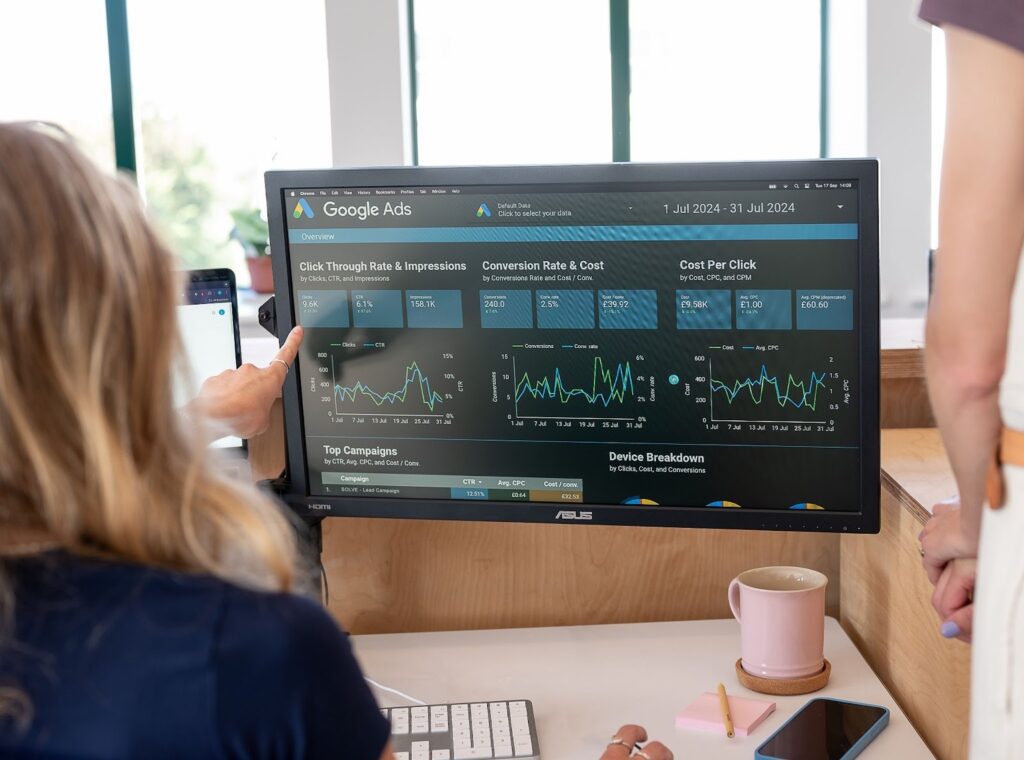
- Measurable ROI: Every click and conversion can be tracked, making performance easy to analyse.
- Scalable: Budgets and campaigns can be adjusted quickly to match business goals.
Cons:
- Costly: Clicks can be expensive, especially in competitive industries.
- Temporary results: Traffic stops when the budget runs out, unlike SEO, which builds over time.
- Complex management: Optimising bids, targeting, and ad creatives requires skill and ongoing monitoring.
- Click fraud risk: Competitors or bots may maliciously click ads, wasting budget.
SEO vs PPC Marketing Strategy: When to Use Each

Situations Where SEO Shines
SEO shines when your goal is to build content marketing synergy. It’s especially effective for businesses focused on long-term growth, establishing brand authority, and nurturing a sustainable online presence.
By optimising content and leveraging search intent, SEO helps attract qualified organic traffic consistently over time, turning your website into a reliable source of value for your audience.
Situations Where PPC Excels
PPC excels when you need immediate visibility, such as launching a quick campaign, promoting a time-sensitive offer, or reaching a highly targeted audience. With precise targeting and fast results, PPC is ideal for driving traffic and conversions when speed and control matter most.
Integrating SEO and PPC for Maximum Impact
How Combining SEO and PPC Boosts Results
The magic happens when you combine short-term instant gratification with long-term strategy. PPC is the accelerator while SEO is the engine of your business. PPC gets you moving fast, while SEO keeps you going for the long haul. When combined, they power a search marketing strategy that’s both agile and sustainable.
Best Practices for a Unified Strategy
To unify your marketing strategy, make sure your messaging, branding, and landing pages all lead to the same core message. By planning your SEO and PPC campaigns together, rather than in silo, you ensure that all paths lead to success.
SEO vs PPC: Which is Better for Your Business?
Factors to Consider Before Choosing
If you can only choose one strategy, take time to evaluate the following factors:
- Budget: PPC requires ongoing ad spend, while SEO typically involves upfront investment in content and optimisation with longer-term returns.
- Timeline: PPC can deliver immediate visibility and results, whereas SEO is a long-term strategy that builds momentum over time.
- Competition: Highly competitive industries may drive up PPC costs, while SEO may require more effort to outrank established competitors.
- Goals: If your goal is quick lead generation or promotions, PPC may be the better choice. If you’re focused on sustainable growth and brand authority, SEO is often more effective.
In many cases, businesses see the best results by combining both approaches, using PPC for short-term wins and SEO for long-term stability.
Conclusion
Next Steps for Your Marketing Strategy
If you’re ready to elevate your online presence, consider partnering with an agency that specialises in both SEO and PPC. Solve Web Media offers integrated SEO and PPC solutions designed to deliver measurable results and long-term success.