What Is PPC? (Meaning & Definition)
PPC stands for Pay-Per-Click – an online advertising model where you only pay when someone clicks your ad. Instead of earning visits organically through SEO, you’re buying visits to your website, landing page, or app via targeted ads on platforms like Google Ads or Meta.
A quick example: if you search “web design Cornwall” on Google, the results marked “Sponsored” above the organic listings are PPC ads. The advertiser only pays the moment you click, not simply for being shown.
This is what separates PPC from other paid models: with CPM advertising (cost-per-thousand-impressions), you pay for views, regardless of engagement; with PPC you pay for action.
Table of Contents
PPC vs SEO: What’s the Difference?
This is one of the most common questions we get from clients, so let’s explore what PPC is in depth:
| PPC | SEO | |
| Speed | Traffic starts the moment your campaign goes live | Typically takes a few months to build rankings |
| Cost model | You pay per click, ongoing | You invest in content/technical work; clicks are “free” |
| Longevity | Traffic stops when budget stops | Rankings can keep earning traffic long-term |
| Trust signal | Labelled as an ad | Seen as an earned, independent result by users |
| Control | Precise targeting by keyword, location, device, time | Less direct control; governed by Google’s algorithm |
The most effective strategies run PPC and SEO alongside each other. PPC is excellent for immediate visibility and testing which keywords convert; SEO builds compounding, longer-term traffic. Data from PPC campaigns (which keywords convert, what ad copy resonates) can directly inform your SEO content strategy, and vice versa.
How Does PPC Work?
The PPC Auction Process
Every time someone searches, a real-time auction decides which ads show and in what order. Advertisers bid on relevant keywords, but the highest bid doesn’t automatically win – the platform also weighs ad quality and relevance.
Keyword Targeting & Bidding
You select keywords relevant to your business and set a maximum bid. The most you’re willing to pay per click. More competitive keywords cost more, but typically deliver a bigger pool of potential customers. Solid keyword research and bid management are the foundation of a profitable PPC account.
Ad Quality and Ad Rank
Google’s Ad Rank system combines your bid with ad quality, relevance, and expected click-through rate. A high-quality, relevant ad can outrank a bigger budget with a poorly targeted one, rewarding advertisers who prioritise relevance and user experience.
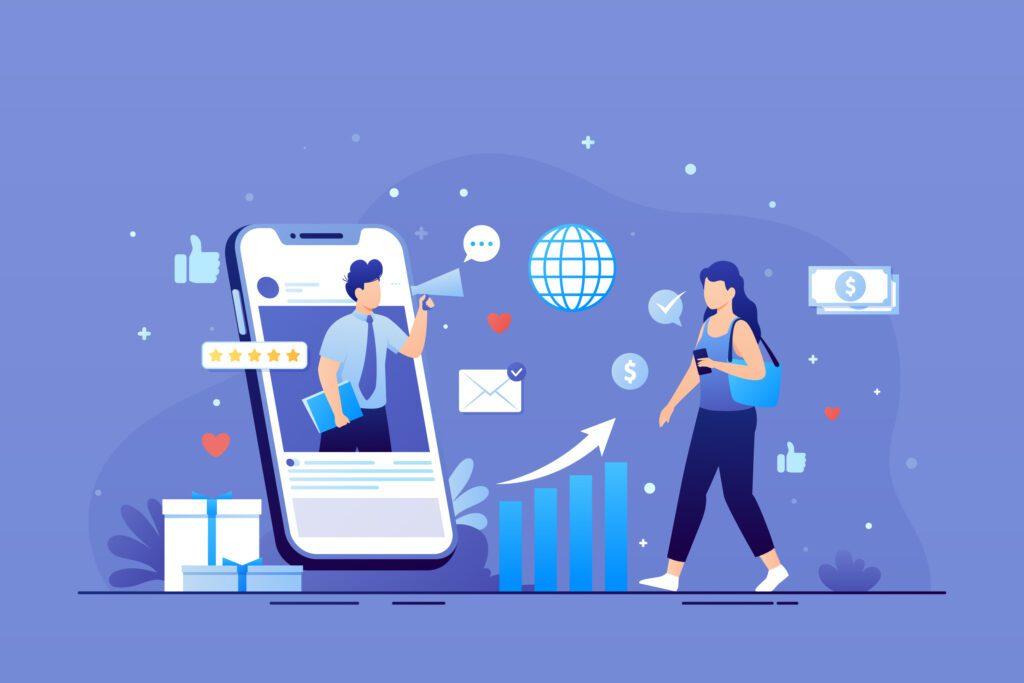
Types of PPC Ads
- Search Ads: text ads on search engine results pages
- Shopping Ads: product listings with image, price and reviews, shown directly in search
- Display Ads: image or banner ads across websites in the Google Display Network
- Video Ads: pre-roll and in-stream ads on platforms like YouTube
- Social Ads: sponsored posts and stories on social media
- Retail media ads: ads placed directly on retailer sites and marketplaces (a fast-growing category as of 2026)
PPC Platforms in 2026
Google Ads remains the largest PPC platform – Google processes roughly 9.5 million searches every minute, so the opportunity for visibility is huge. Two shifts worth knowing about in 2026:
- AI-driven campaign types (like Google’s Performance Max and Smart Bidding) now handle much of the bid optimisation automatically, using machine learning to find conversions across Search, Display, YouTube and Shopping from a single campaign.
- Meta Advantage+ offers a similar automated approach across Facebook and Instagram.
Microsoft Advertising (Bing Ads) remains a smaller but often cheaper option worth testing, particularly for B2B audiences.
Key Benefits of PPC Advertising
- Driving website traffic & leads – PPC reaches people actively searching for your product or service, right at the moment of intent.
- Enhancing brand awareness – Even without a click, appearing in a sponsored position builds visibility and recognition.
- Supporting other marketing channels – PPC data (converting keywords, high-performing ad copy) feeds directly into your content strategy and wider cross-channel marketing plan.
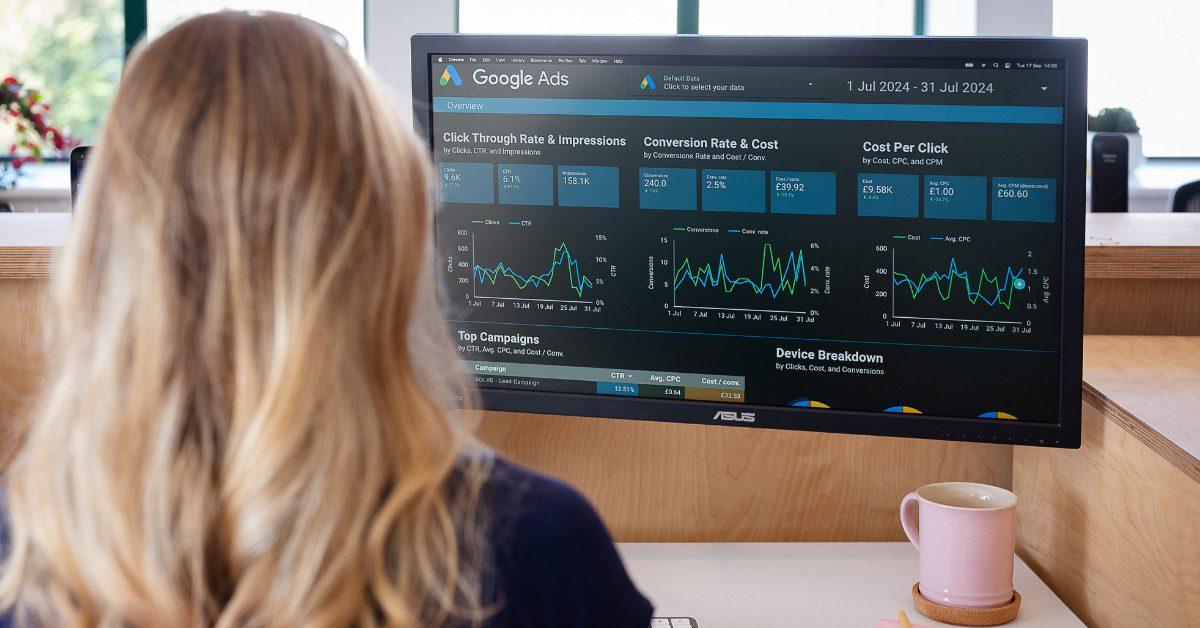
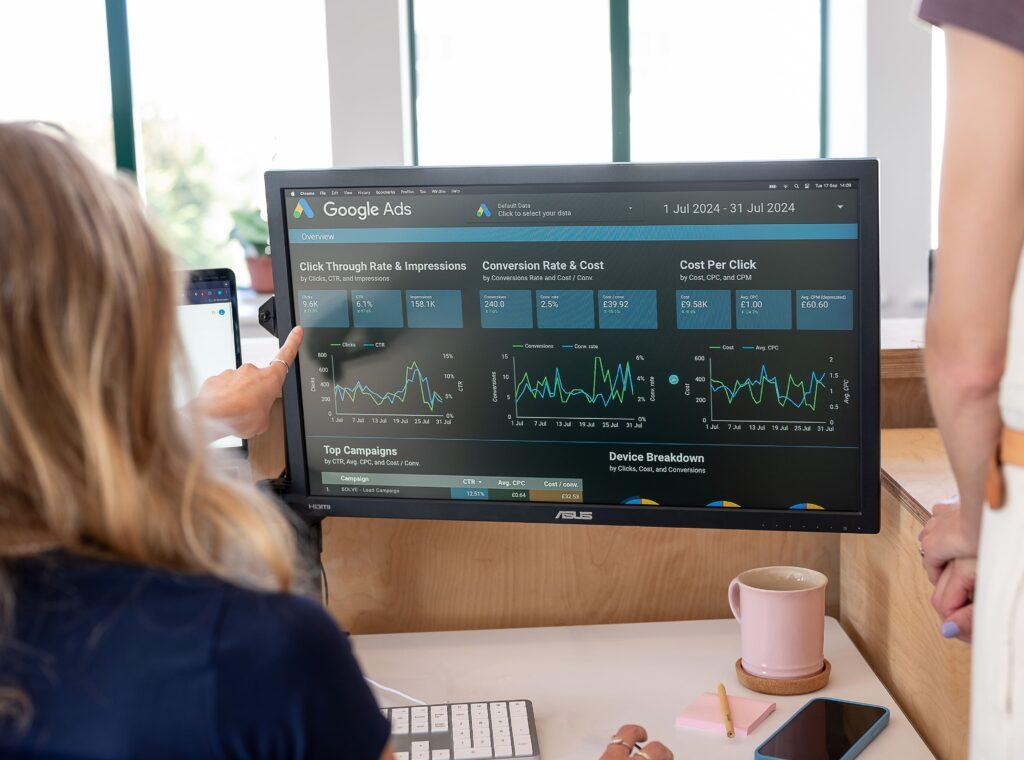
- Data insights for growth – Detailed analytics on impressions, clicks, conversions and ROI let you optimise in near real-time.

Common Challenges & Best Practices
Avoiding click fraud & wasted spend
Click fraud happens when ads receive illegitimate clicks from competitors, bots, or malicious users, which can inflate costs and skew your data. Use platform-native fraud detection tools, monitor traffic sources, and review key metrics regularly to catch suspicious activity before it damages your ROAS.
Optimising campaigns for better results
Refine keyword lists regularly, add negative keywords to filter out irrelevant clicks, and A/B test ad copy and landing pages continuously.
Ongoing management
PPC is not “set and forget” – accounts need regular review of search term reports, bid adjustments, and budget reallocation toward what’s actually converting.
PPC and AI Search: What’s Changing
Google’s AI Overviews and AI Mode are changing where paid and organic results appear on the page, and it’s a question we get asked constantly by clients.
Ads can still appear alongside AI-generated answers, but the auction increasingly rewards highly relevant, well-structured campaigns over broad, high-bid ones. Practically, this means:
- Tight, specific ad groups matter more than ever – generic broad-match campaigns are more likely to be outcompeted.
- Landing page relevance and quality score carry more weight, since Google’s systems are better at detecting mismatched intent.
- Measurement is getting harder as AI-generated answers can satisfy queries without a click – tracking assisted conversions and view-through data is increasingly important.
Getting Started with PPC
- Set clear goals – traffic, leads, sales, or brand awareness. Your goal shapes everything downstream.
- Research your audience – understand behaviours, preferences, and pain points to choose the right platform.
- Conduct keyword research – identify what your audience is actually searching for.
- Set a realistic budget aligned to your goals and industry CPCs.
- Write compelling ad copy that matches search intent.
- Build a dedicated landing page – don’t send PPC traffic to a generic homepage.
- Launch, monitor, and optimise continuously.
Ready to put this into practice? Talk to Solve’s Paid Search team about building a PPC campaign that actually converts.
What is PPC and Other FAQs
What does PPC stand for?
PPC stands for Pay-Per-Click; an advertising model where you pay a fee each time someone clicks your ad
What are PPC ads?
PPC ads are paid advertisements (usually marked “Sponsored” or “Ad”) that appear on search engines, social platforms, or websites. You’re charged only when someone clicks, not when the ad is simply shown.
How does PPC work?
Advertisers bid on keywords relevant to their business. When someone searches that keyword, an automatic auction (weighing bid amount, ad quality, and relevance) decides which ads show and in what position. You pay only when your ad is clicked.
Is PPC worth it?
For most businesses, yes – particularly alongside SEO. PPC gives immediate, measurable visibility while organic strategies build over time. The trade-off is that traffic stops as soon as you stop paying, so it works best as part of a wider strategy rather than a standalone one.