
Backlinks remain one of the strongest signals search engines use to rank content. But the way you build them determines whether they help or harm your site.
Unsafe link building creates risk. It wastes budget. It can trigger penalties that take months to recover from.
This guide explains why quality backlinks matter more than volume. It also looks at how ethical link building works today. Along the way, you’ll find practical ways to earn valuable links without cutting corners.
These methods take time and effort. They also build rankings that last.
Table of Contents
What Are Backlinks and Why Do They Still Matter?
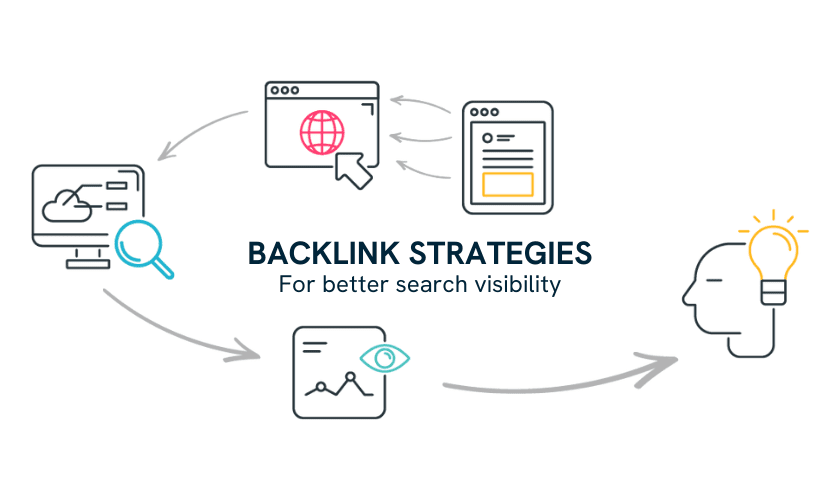
A backlink is a link from another website to yours. Search engines treat these links as votes of confidence. Earning more quality votes helps your site build authority over time.
Not all backlinks carry the same weight. Links from relevant industry publications build trust. Links from random directories with no context add little value.
Context and relevance matter. A local accountancy firm gains value from a link on a business advice site. The same link from a sports betting blog offers no benefit.
Backlink building describes how businesses earn links from other websites. Backlinks help search engines understand your content. They also show whether other sites consider it valuable. They remain a core part of how rankings work.
If you’re new to this topic, our guide on what backlinks are and how they work covers the foundations. This article builds on that knowledge.
What Is Ethical (White Hat) Link Building?
Ethical link building earns links through value and relationships. It aligns with search engine guidelines. It focuses on helping people, not gaming algorithms. This approach is often called white hat link building.
The term “white hat” comes from old westerns where heroes wore white hats. In SEO, it means following the rules.
Ethical vs Unethical Link Building
Ethical link building starts with creating something worth linking to. You publish useful content and build relationships with relevant sites. Links follow because the work earns them.
Unethical tactics try to manipulate rankings instead. These include buying links and joining link schemes. They also include spamming blog comments and submitting to irrelevant directories.
Some of these methods work briefly. They rarely last. Search engines recognise patterns, and rankings drop when they do. In some cases, sites get removed entirely.
Penalties take months to fix. Some businesses never recover. The short-term gain is rarely worth the long-term damage.
Google’s spam policies on link spam make the boundaries clear. If you’re paying for links or trading them in schemes, you’re taking a risk.
Principles of Ethical Link Building
Quality beats quantity every time. One relevant link from a trusted source outweighs fifty links from spam sites.
Ethical link building follows these principles:
Relevance. Links should connect related topics. They should make sense to a human reader, not just an algorithm.
User value. Every link should help someone find useful information. If it doesn’t serve the reader, it shouldn’t exist.
Transparency. Relationships should be honest. Sponsored content gets disclosed. Guest posts acknowledge the author.
Authenticity. Links are earned through genuine value, not manufactured through schemes.
Long-term focus. You’re building authority over months and years, not chasing quick wins.
These principles protect your site. They also protect your brand reputation.

Why Quality Backlinks Matter More Than Quantity
A handful of strong backlinks outperform hundreds of weak ones. Search engines have refined how they evaluate links over many years.
Volume alone no longer works. SEO backlinks help search engines assess trust and relevance.
Signals Search Engines Actually Trust
Search engines look at who links to you, where the link appears, and how it connects to your content.
Domain relevance matters. A link from a site in your industry carries more weight than a link from an unrelated site.
Topical alignment matters. A link from a publication that covers your industry builds authority. For example, a marketing business benefits from links in marketing publications.
Anchor text matters. The words used in the link should match the content naturally. Over-optimised anchor text looks manipulative.
Link placement matters. A link embedded in useful content performs better than one tucked into a footer or sidebar.
Natural patterns matter. If your link profile gains fifty new links overnight, search engines question it. Steady, organic growth looks genuine.
One high-quality backlink can deliver more value than hundreds of directory links.
Risks of Chasing Volume
Buying cheap links feels efficient. You pay a fee. You get a list of backlinks. Your numbers go up.
Then your rankings drop.
Here’s what happens in practice. A business buys a package of five hundred backlinks. The links come from low-quality sites with no relevance. Some sites host thousands of outbound links. Others exist only to sell links.
Search engines spot the pattern. The site’s rankings become volatile. Traffic drops. The business either disavows the bad links or waits out a penalty.
Both options waste time and money. Neither recovers the rankings quickly.
Chasing volume also damages brand trust. When your link appears on spam sites, it associates your business with low quality. Potential customers notice.
Quality takes longer to build. It also lasts longer.
Ethical Link Building Strategies You Can Use
These white hat link building strategies focus on steady, long-term results.
Earning quality backlinks takes effort. You need content worth linking to. You also need relationships with people who trust your work. A clear process helps this scale without cutting corners.
These strategies take time to show results. When they work, the impact builds month by month.
Create Linkable Assets
A linkable asset is content that other sites want to reference. It solves a problem, answers a question, or saves someone time.
Common examples include in-depth guides, original research, tools, templates, and checklists. These assets attract links because they offer clear value.
A marketing agency might publish research on small business content habits. Industry blogs reference the findings and link back to the source.
A software company might create a free calculator to help businesses estimate ROI. Other sites link to the tool because it helps their audience.
The goal is to create something genuinely useful, then share it with the right people.
Promote your asset through relevant publications and industry communities. You can also reach out to sites that have covered similar topics and let them know it exists.
Links rarely appear on their own. Even strong content needs visibility.
Digital PR and Thought Leadership
Journalists, podcasters, and industry blogs need expert sources. If you can provide insight, data, or commentary, you can earn high-quality backlinks.
Digital PR works by positioning your business as a credible voice. You pitch stories and offer expert quotes. You can also share original data that supports another article.
A PR agency might share research on consumer behaviour during economic uncertainty. News outlets cover the findings. Each article links back to the source.
A founder might offer expert commentary on industry trends. A journalist includes the quote in their piece. The article links to the founder’s business.
The focus should always be on helping the journalist or blogger. If your contribution makes their work better, they’ll credit you. If you’re just chasing a link, they’ll ignore you.
Build relationships over time. Comment on articles. Share useful insights. Make yourself known as someone worth quoting.
Guest Posting on Relevant Sites
Guest posting still works when done properly. The key word is “properly.”
Ethical guest posting means writing high-quality content. It should appear on reputable sites with a relevant audience. It is not about submitting generic articles to blogs that exist only to accept guest posts.
Look for sites your audience reads. Pitch topics that help their readers. Write content that matches the site’s standards.
Your author bio can include a link back to your site. The link should feel natural, not forced. The anchor text should reference your business or relevant content, not stuff keywords.
Before pitching, check these criteria:
Does the site publish quality content? Does its audience overlap with yours? Does it maintain editorial standards? Would you be proud to have your work there?
If the answer to any question is no, move on.
Guest posting builds relationships as much as links. When you contribute value, editors remember. They might invite you back. They might reference your work elsewhere.
Partnerships, Communities and Local Links
Some of the strongest backlinks come from relationships you already have.
Suppliers, clients, partners, and industry associations all offer opportunities. These links feel natural because the relationship is real.
A local business might sponsor a community event. The event organiser adds the business to their sponsors page. That’s a relevant local backlink.
A software company might partner with another business on a joint webinar. Both sites link to the event page. The links serve a purpose beyond SEO.
A consultancy might provide a testimonial for a tool they use. The tool’s website features the testimonial with a link back. The link adds credibility for both parties.
Industry associations often list members on their websites. If you’re already a member, make sure your profile is complete and includes a link.
These links don’t require cold outreach. They grow from genuine business relationships. They also tend to stay live longer because they’re based on real connection.
How to Evaluate the Quality of a Backlink
Not every link opportunity deserves your time. Knowing how to assess quality helps you focus effort where it matters.
You don’t need expensive tools for this. Common sense and a few quick checks go a long way.
Relevance and Context
Relevance is the first filter. Does the linking site cover topics related to yours?
A gardening blog linking to your accounting firm makes no sense. An accounting publication linking to your firm does.
Context matters too. Look at where the link would appear. Is it embedded in useful content that flows naturally? Or is it stuffed into a list of unrelated links?
Ask yourself this question. Would the link still make sense if search engines did not exist?
If the answer is yes, it’s probably worth pursuing. If the answer is no, it’s not.
Authority, Traffic and Trust
Authority isn’t just about metrics. It’s about whether the site is legitimate and trusted.
- Check if the site publishes regularly. Look at the quality of its content. See if real people engage with it.
- Does it have obvious spam signals? Intrusive ads, unrelated content, or pages that exist only to host links are red flags.
- Organic traffic is a good indicator. If a site ranks for relevant topics and attracts visitors, it holds value. If it has no traffic, the link won’t help you much.
Specialist SEO tools can measure authority scores. But you don’t need them to spot a low-quality site. Trust your instinct. If a site feels spammy, it probably is.
Anchor Text and Link Placement
Anchor text is the clickable text in a link. Natural anchor text reflects the content it links to without forcing keywords. Over-optimised anchor text looks manipulative. If every link to your site uses the exact same keyword phrase, search engines notice.
Good anchor text varies. It might use your brand name, a natural phrase, or the title of the page being linked. Link placement also affects value. Links in the main content carry more weight than links in footers, sidebars, or author bios.
A link that supports the article’s point feels natural. A link tacked on at the end feels forced.
The best backlinks are ones readers actually click because they find them useful.
How to Build an Ethical Link Building Plan
Link building works better with a plan. Random outreach wastes time. A clear process focuses effort where it delivers results.
You don’t need a complicated system. You need clear goals, relevant opportunities, and consistent follow-through.
Set Clear Goals and Priorities
Start by defining what you want to achieve.
- Are you building brand visibility?
- Improving rankings for specific pages?
- Establishing authority in a niche?
Your goals shape your approach.
Prioritise a handful of key pages. These might be your main service pages, your best content, or cornerstone guides. Don’t try to build links to everything at once. Focus makes outreach manageable. It also makes results easier to measure.
Link building works best when it supports your wider SEO efforts, not when it runs in isolation.
Identify Link Opportunities
Finding relevant sites takes research. Start with places your audience already visits.
- Industry publications, trade bodies, and professional associations are good starting points. Look at where competitors earn links. Check who has linked to similar content in the past.
- Local directories with genuine value can work too. Not every directory is spam. Some serve real users and maintain quality standards.
- Communities matter. Forums, LinkedIn groups, and niche networks often allow members to share resources. If you contribute value, you can mention relevant content naturally.
Keep a simple spreadsheet. Track the site, contact details, what you might offer them, and when you reached out. Batch your research so you’re not starting from scratch every week.
Outreach with Value, Not Spam
Outreach works when you focus on helping the other person. It fails when you focus only on getting a link.
Personalise every message. Mention something specific about their site or recent content. Show that you’ve read their work.
Explain what value you’re offering. If you’ve created a resource, describe who it helps and why it matters. If you’re pitching a guest post, suggest a topic their audience would benefit from.
Keep it short. Busy editors don’t have time for long emails.
A high-level framework:
Introduce yourself briefly. Mention their content or site specifically. Explain what you’re offering and why it helps their audience. Propose a clear next step.
Don’t apologise for reaching out. If you’re offering genuine value, you’re not bothering them.
Follow up once if you don’t hear back. Then move on. Persistence becomes pestering quickly.
Outreach and content promotion work best when they follow proven frameworks. Learning how others approach this can sharpen your process.
Measuring the Impact of Ethical Link Building
Link building takes time. Measuring progress helps you stay focused and refine your approach.
You don’t need to track everything. A few key metrics tell you what’s working.
What to Track
Referring domains show how many unique sites link to yours. Growth here indicates your efforts are working.
Organic traffic to linked pages tells you whether the links drive real visitors. If traffic increases after earning a link, that link delivered value.
Rankings for target keywords show whether your authority is building. Track keywords tied to the pages you’re focusing on.
Branded searches indicate growing awareness. As you build authority, more people search for your business by name.
Assisted conversions reveal whether link building supports broader business goals. Some visitors arrive through a backlink, explore your site, then convert later.
Timeframes and Expectations
Ethical link building is a long-term strategy. Results appear over months, not days.
Expect to see small gains first. A few quality backlinks might not shift rankings immediately. But they build a foundation. Over time, consistent effort compounds.
A single campaign won’t transform your site. Ongoing work does.
Consistency matters more than intensity. Building a few quality links each month beats a burst of activity followed by silence.
Set realistic expectations. If you’re starting with a new site or limited authority, it takes longer. If you already have some authority, new links deliver results faster.
The goal isn’t to rank overnight. The goal is to build sustainable authority that grows your business over time.
Bringing It All Together: A Safer Path to Better Rankings
Backlinks still matter. They help search engines understand your authority. They drive traffic. They support rankings.
But quality and ethics are non-negotiable. Shortcuts create risk. Sustainable strategies create results.
Focus on earning links through value. Create content worth referencing. Build relationships with relevant sites. Prioritise relevance and user benefit over volume.
This approach takes longer, but it also lasts longer. The rankings you build are more stable. The brand trust you earn is harder to replicate.
If you’re ready to build an ethical link building strategy tailored to your business, we can help. Our SEO services support sustainable, long-term growth. They protect your site and build authority over time.
You can explore more practical SEO tips on our Insights page to build your knowledge further.
Ethical link building isn’t complicated. It just requires patience, focus, and a commitment to doing things properly. Speak to Solve if you’re interested in building backlinks for your business.